memetic literacy
By Tessa McDougall & Anneliese Eber
We’ve discussed that memes are a powerful tool for communication and explored the various formats they appear in. But do we really understand what the memes that we’re encountering are trying to say? By applying literacy skills, using critical thinking, and sloooooooooooooowing down, we can decode the true meaning of memes and be better stewards of the internet.
Critical Thinking isn’t just for academia
The concept of critical thinking was introduced as an educational goal in the 20th century by John Dewey. Dewey viewed critical thinking, which he referred to as reflective thinking or reflective thought, as an opportunity for students to use curiosity, imagination, experimentation, and inquiry to solve problems. Schools in the US put Dewey’s concept into practice, with educators believing that “young people in a democracy should develop the habit of reflective thinking and skill in solving problems”.
While critical thinking is a skill often talked about in the context of education and academia, it’s also an important skill that we utilize every day. In the age of the internet, where hundreds of billions of emails, messages, and social media posts are generated each day, critical thinking skills are more important than ever to help us assess and evaluate the information that we interact with.
The Power of social pressure
Social pressure is so powerful that it can cause us to override our personal, individual preferences or opinions. Just because a post has a lot of engagement, doesn’t mean that the information is true or credible. Did you really hate the 3D animation of Sonic for the 2019 movie…or did the endless memes and internet discourse convince you that it was that bad.
Ok, bad example. It was that bad. But you get the point. Developing critical thinking skills lets us recognize when forces, like social pressure, alter the way we might otherwise think about information or content on the internet. In a recent episode of her podcast There Are No Girls on the Internet, Bridget Todd discusses how the desire to be part of a trend or be included in what everyone else is doing on social media puts us at risk of engaging in behaviours that we otherwise might not.
“Social groups create a pressure toward conformity so powerful that it can overcome individual preferences”
Menczer & Hills, 2020
Referencing the recent popularity of Lensa (an app that uses AI to generate artistic renderings of users based on photos that they upload), Todd wonders if the feeling of social inclusion is worth the potential risks of using the app. Critics have noted a multitude of ethical concerns with Lensa, including the lack of compensation for artists whose artwork was used to train the AI models and Lensa’s privacy policy, which gives the company permission to use users’ “face data” to train their algorithms. Todd’s guest Azariah Cole-Shephard also notes the way that the app might contribute to the creation of revenge porn (users can upload any image to generate renderings of naked bodies) and how it has already been criticized for sexualizing users, including children, and creating nude artwork without users’ consent.
Is being included in a trend or being part of an online moment worth the potential risks? Breaking down these concerns issue-by-issue would probably lead many to say no, but when information and culture move so quickly on the internet, users are actively encouraged not to take even a minute to think about the risks or consequences associated with signing up for an app, participating in a trend, or sharing a meme.
What’s literacy got to do with it?
“Don’t believe everything you read on the internet.”
If you were once a young person on the internet, you may have heard this advice from a parent or a teacher. You were probably also told that Wikipedia was not a credible source of information. As the internet has developed new ways to communicate and share information, it’s become more difficult to assess the validity of said information. According to School Library Journal, traditional criteria to evaluate the credibility of information aren’t as effective when looking at information that is quickly disseminated in visual formats, such as memes.
Visual literacy is an important and necessary skill to analyze memes, which often appear in a visual format. Without the skills to critically evaluate the way that visual elements affect and alter meaning, we leave ourselves vulnerable to consuming and sharing information that we might not be aware of.
visual literacy
School Library Journal defines visual literacy as the “ability to observe an image or video and recognize visual strategies, possible alterations, and their effect on meaning.” Visual literacy is particularly important when analyzing memes because visual elements contribute to the virality of memes.
Humans struggle to identify visual manipulation, and even when we know that it’s there, we often can’t pinpoint exactly what has been manipulated. While people might jump to conclusions when they see something weird in a photo or video, Hany Farid, professor of computer science at Dartmouth College, says they typically don’t attribute that weirdness to visual manipulation.
How To Analyze A Meme
Putting Visual Literacy Into Practice
We now know what visual literacy is, but how do we use it? Start with the following steps:
- Slow down and take a minute to really observe the image or video you’re looking at. Identify and describe what you see.
- Learn to recognize visual strategies, like the addition of labels or descriptions, symbols, illustrations, emojis, or photographs. The use of visual strategies is not inherently negative. Visual strategies exist to supplement other types of information and can be helpful to convey thoughts, ideas, or emotions that are otherwise difficult to convey verbally or textually.
- Can you identify any alteration or manipulation to the visuals?
- Consider how the use of visual strategies and alterations might affect the meaning of the content you’re consuming.
Reflective Questions For Evaluating The Meaning Of Memes
These reflective questions below will help you think about who created the meme that you are viewing, what their intent may have been in creating or sharing it, and what your reaction to the meme might say about the information you’re consuming.
- What is the meme trying to convey?
- Who created this meme? This might include the meme template, the text, the visuals, or the idea. Determining the creator(s) can help you understand the motivation for creating the meme.
- Is the meme supposed to be interpreted as a fact or the truth? If not, is the meme an opinion, a belief, an idea, a joke, or something else subjective or personal?
- If the information is untrue, what type of information is it? Misinformation, disinformation, satire, a joke?
- Who shared the meme OR how did you come across it? Did they add extra information, like a comment or a caption?
- Is the information trying to elicit a strong emotional reaction?
- Do you understand the context of this meme? Has this topic recently appeared in the news or public discourse?
- Does the meme support your worldview or reinforce your beliefs?
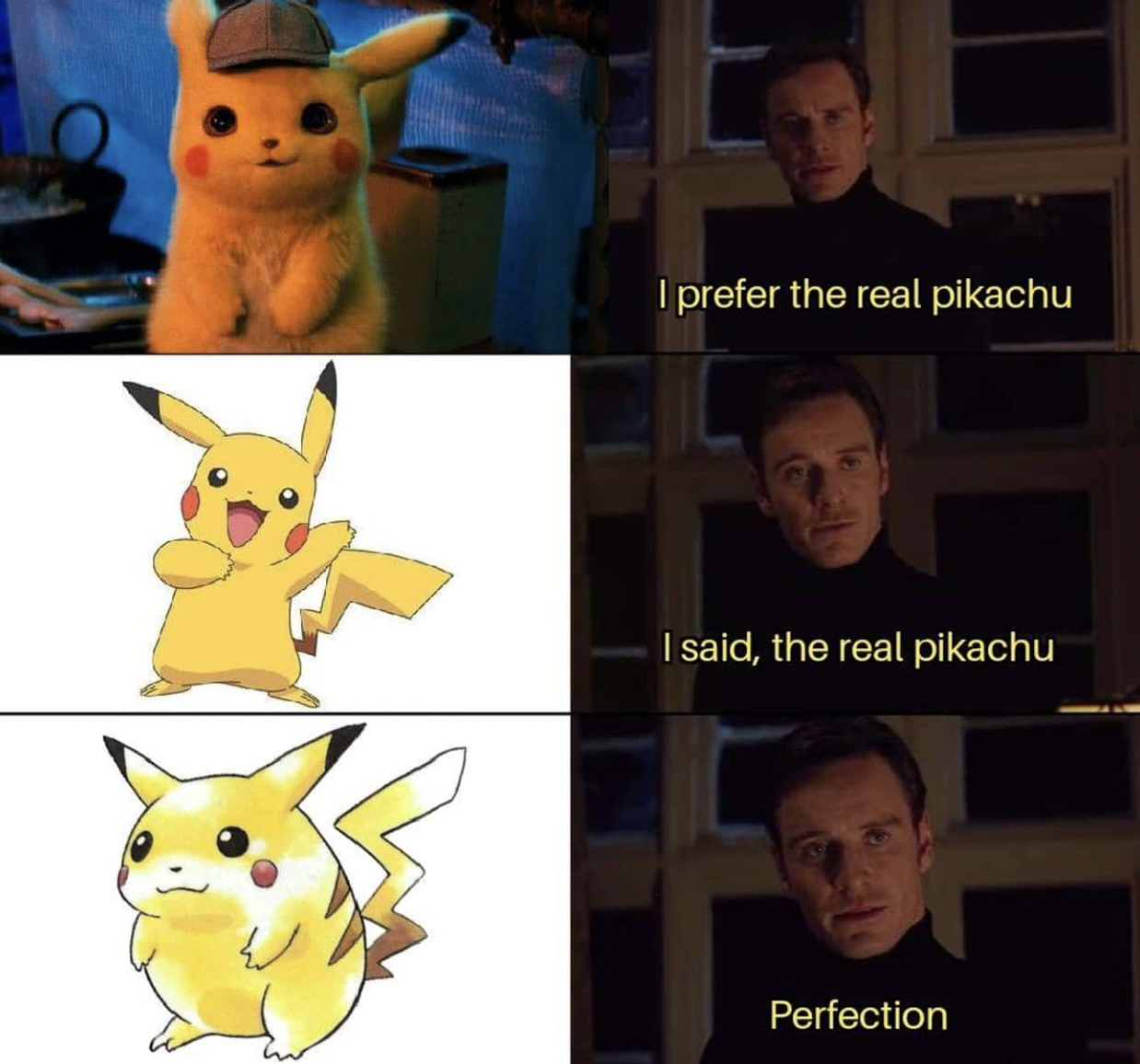
Case study: Perfect Pikachu
Slowing down… What do you see here? A meme about Pikachu.
What visual strategies are being used? Movie stills, illustrations, and captions. Images are assembled in the style of a comic-book pane, meant to be read left to right, top to bottom.
Who created this meme? What are they trying to communicate? Using Google Lens to do a reverse image search, you can find a few sources for the meme. The oldest dates back to about 4 years ago and was posted to /r/animememes on Reddit. The creator is trying to communicate an opinion that the original Pikachu sprite is better than the newer Pikachu sprite and the new live-action Pikachu. They are using nostalgia to appeal to an audience that may have fond memories of the original Pikachu sprite.
Is this an opinion or fact? It’s an opinion based on a preference.
Is this information harmful or misleading? Probably not. Even though this isn’t a harmful opinion, it’s a great example of how opinions are integrated into memes and presented as undisputed. Taking the time to determine if the information is an opinion, a belief, or a fact is a great way to start becoming meme-literate.
Your Turn! Practice Meme Evaluation
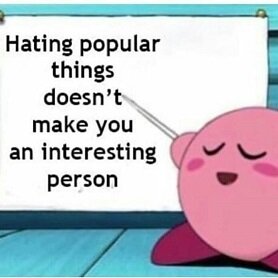
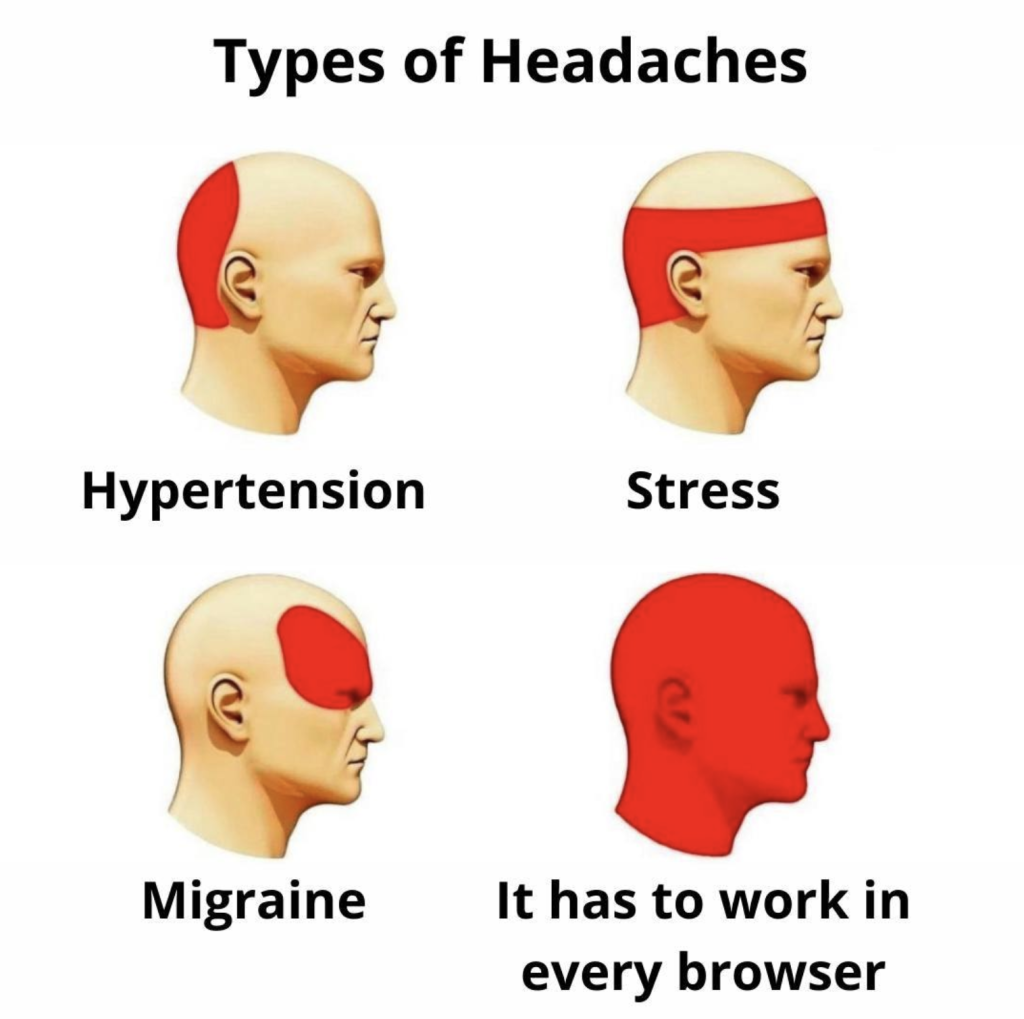
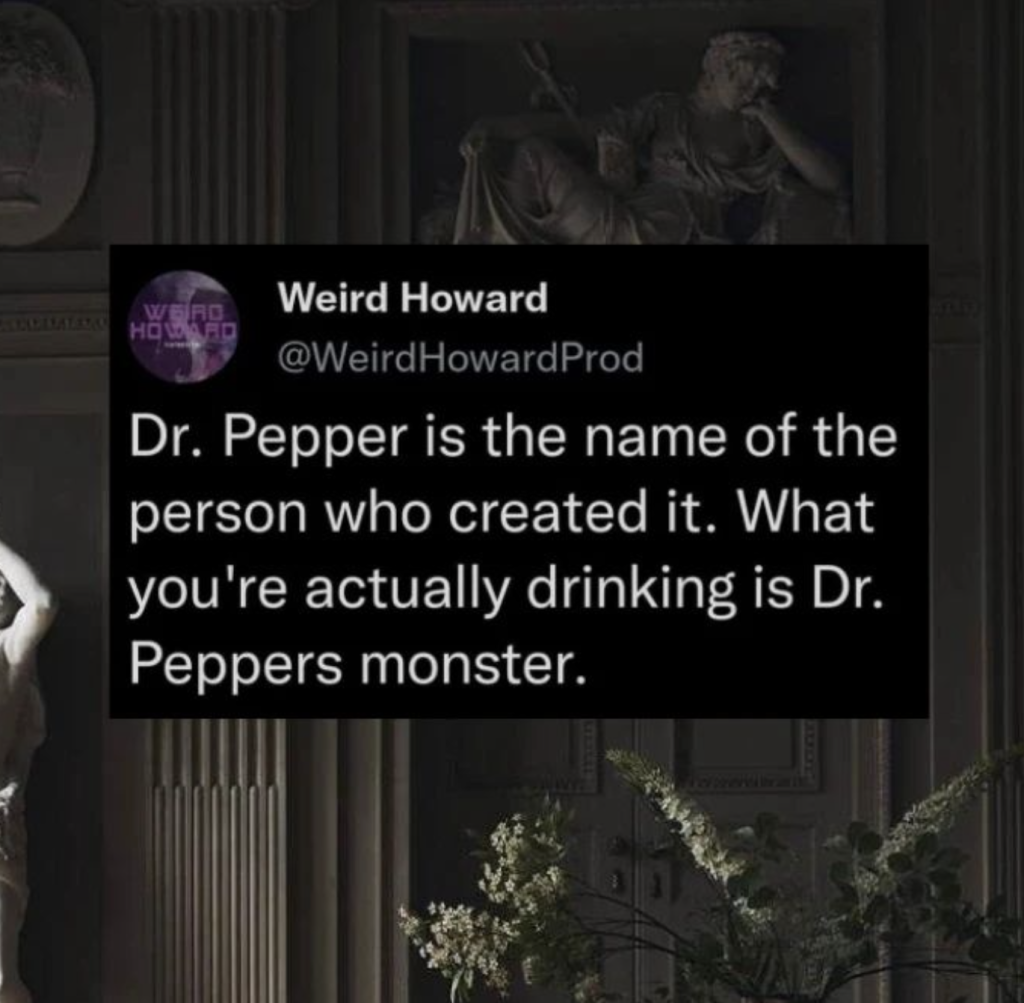
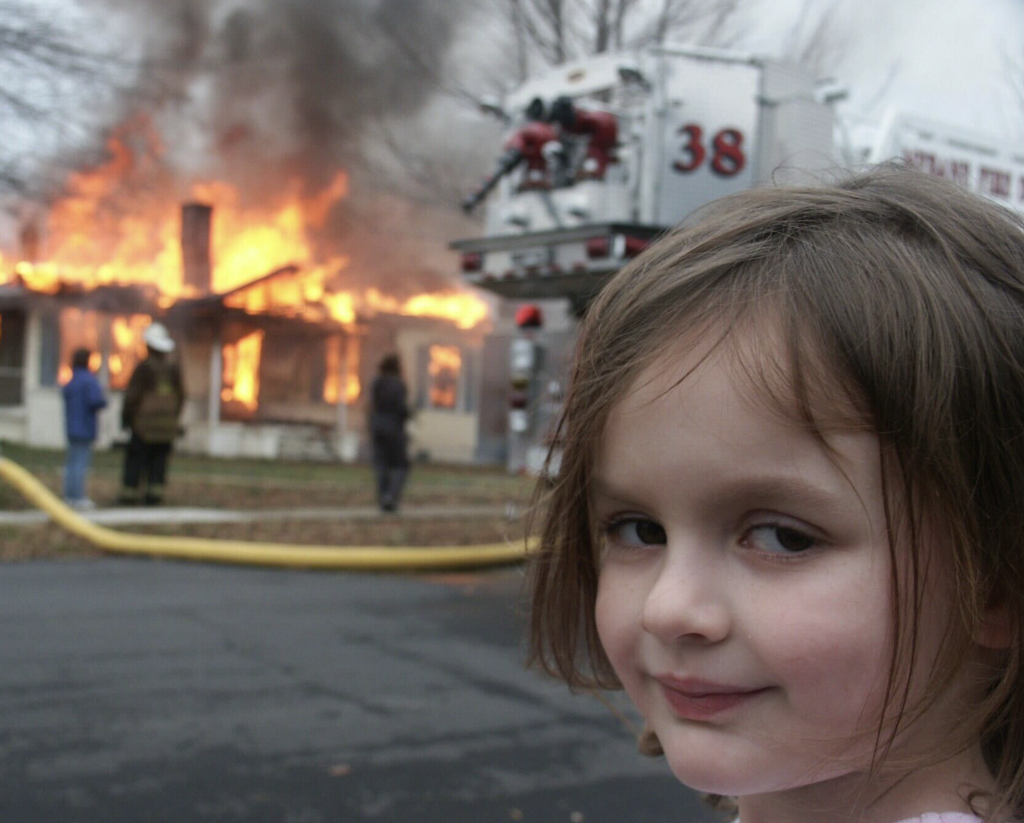
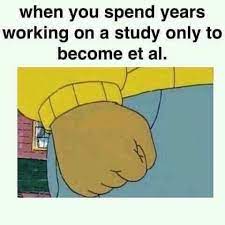
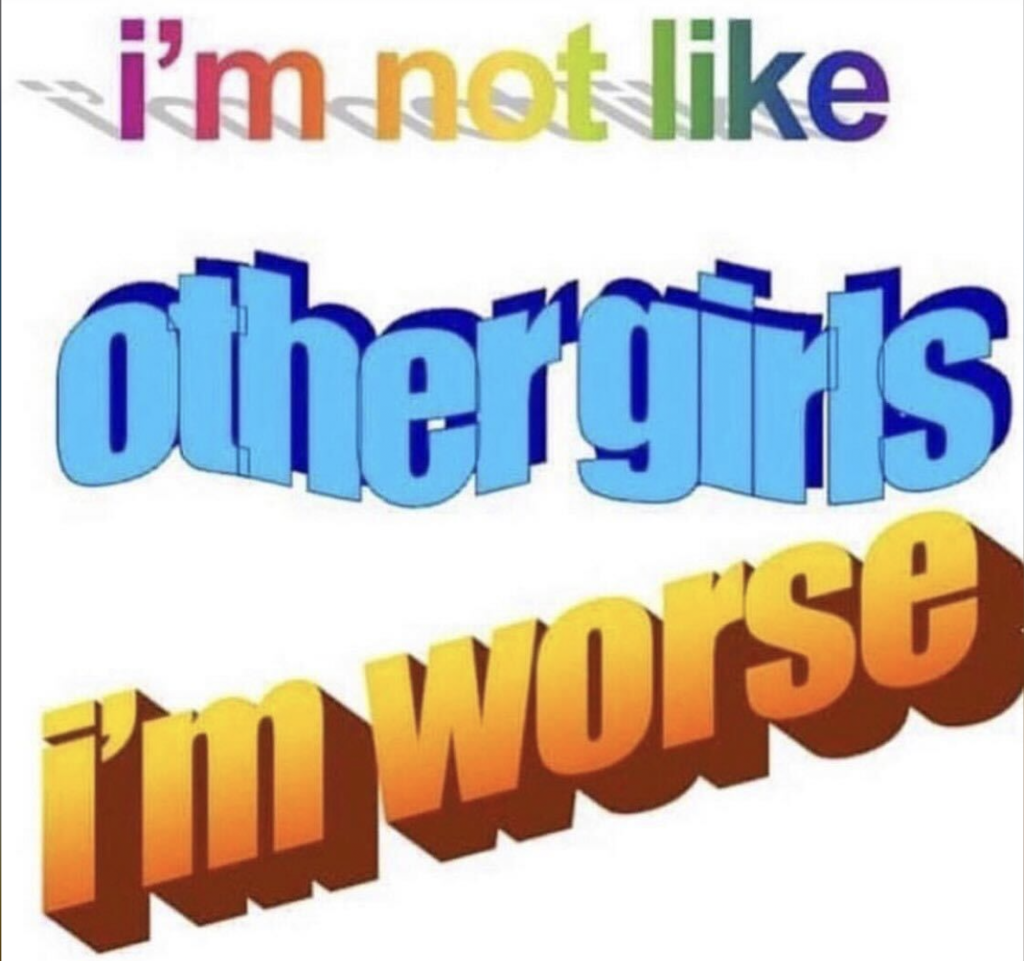
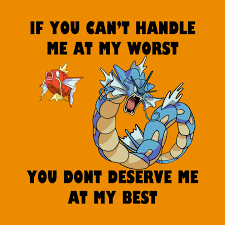
Select one of the memes in the gallery to critically evaluate using visual literacy strategies and reflective questions.
Do Your Part To Become A Good Steward Of Information
Dig into these resources to see if the meme you’re looking at might be spreading harmful information:
- Practice your visual analysis skills by participating in The New York Times’ What’s Going on in this Picture discussions or try a visual analysis worksheet.
- Visit Know Your Meme to find the origins of a particular meme.
- Use a fact-checking website like Snopes or factcheck.org to help you find out if information is true or not.
- Check the Hate on Display: Hate Symbols Database for unrecognizable symbols or words that maybe be dog whistles for hate.
- If you see a meme that shares harmful information, report it to the platform that it’s hosted on and don’t share it or engage with it.
- See our section on Weaponizing Memes where we dive into the way that memes propagate misinformation, disinformation, conspiracy theories, and hate.
For a list of sources, please view our references list.
Explore More From Multimemia


Want Even Moar Meme content?
We’ve got moar! From memes of the week to random debates to personal, stream-of-consciousness reflections, the blog is full of light-hearted content that just didn’t want to fit anywhere else.
